As we head into the new year, many of our Rocky Mountain Flex members are already thinking about how to take their training and health to the next level.
Most of you are showing up, putting in the work, and pushing yourself in the weight room or working to improve your cardiovascular health. But real progress isn’t just about what you lift or how fast you move. It’s about how well you recover, how you fuel your body, how you sleep, and the choices you make outside the gym.
What you eat affects recovery and inflammation. Gut health plays a role in how well your body absorbs nutrients. Environmental toxins can disrupt hormones and energy levels. Tracking the right data can help you make smarter decisions around sleep, stress, and recovery, and tools like compression boots can shorten the time it takes to feel ready for your next workout. These are the factors that separate members who train hard from those who see consistent, long-term results and actually feel good doing it. Below, we’re breaking down six strategies that you can start to incorporate into your daily routine that can support better recovery, clearer thinking, and stronger gut and hormonal health in 2026.
1. Prebiotics: Food For Your Gut Bacteria
Prebiotics are the lesser talked about contributor when people talk about gut health. Your gut is home to trillions of bacteria that have been with you since birth. These microbes do more than just help digest food. They regulate how your body processes nutrients, defend against harmful pathogens, and constantly communicate with your immune system to keep you healthy. It’s often said that 70% of your immune system resides in your gut.
Unlike probiotics which are actual live bacteria, prebiotics are specific types of fiber that your body can’t digest, but your gut bacteria love to eat. When your gut bacteria break down these fibers, they produce short-chain fatty acids like butyrate, acetate, and propionate. These compounds strengthen your intestinal lining, help you absorb minerals better, regulate blood sugar and body weight, boost immune function, and reduce inflammation throughout your body.
The great thing about prebiotics is you can get them from whole foods without having to supplement, it only takes a little effort and being intentional about adding them in.
Best prebiotic foods:
- Garlic – Supports immune function while feeding beneficial bifidobacteria in your gut
- Onions and leeks – Loaded with inulin and FOS fibers that promote healthy digestion
- Cooked and cooled potatoes – When potatoes are cooked and then refrigerated, their starch transforms into resistant starch, which acts as a prebiotic. This works whether you eat them cold (like potato salad) or reheat them. Reheating doesn’t reduce the resistant starch.
- Asparagus – Packed with antioxidants and soluble fiber to support both immune and digestive health
- Bananas – Green unripe bananas are highest in resistant starch (a prebiotic), but ripe yellow bananas still contain it in smaller amounts – If you don’t enjoy green bananas, a powder form can be purchased and added to your smoothies or oatmeal
- Oats – Contain beta-glucan fiber and resistant starch, plus natural compounds that act as prebiotics
- Jerusalem artichokes (sunchokes) – Each 100g serving provides 2g of inulin. Eat them raw or cooked
- Chicory root – Rich in inulin with a coffee-like taste, making it a great caffeine-free alternative
- Dandelion greens – Bitter and spicy like arugula, loaded with prebiotic fiber
- Beans and lentils – Chickpeas, lentils, navy beans, and kidney beans are high fiber, specifically oligosaccharides prebiotic fibers. If making them at home, soak dried beans overnight and cook them well to improve digestibility and reduce gas
Outside of these whole food sources, you can also find prebiotic sodas at most grocery stores.
The goal: Try to include 1-2 prebiotic-rich foods in your diet each day but start slow to avoid digestive issues. When you feed the good bacteria, they multiply and crowd out the harmful strains.
Supplements: If your diet is lacking variety, look for inulin or FOS (fructooligosaccharides) supplements. Guar gum (a soluble fiber) is another option that’s well-tolerated and helps with both constipation and diarrhea.

2. Probiotics: Beneficial Bacteria that Support Gut Health
Probiotics are live microorganisms that introduce beneficial bacterial strains into your gut. Your gut contains trillions of microorganisms that form a complex ecosystem, and when this balance tips toward beneficial bacteria, your entire body functions better. Probiotics crowd out harmful bacteria, strengthen your gut lining, and produce compounds that benefit your overall health.
As mentioned above, about 70% of your immune system lives in your gut, so probiotics enhance antibody production and boost immune cells, helping you fight off infections and stay healthy during heavy training blocks when you’re most vulnerable. They also help with digestive issues like bloating and constipation, improve nutrient absorption, and can reduce symptoms of IBS.
Beyond digestion and immunity, probiotics influence your mood and stress levels through the gut-brain connection. Your gut produces about 90% of your body’s serotonin and significant GABA, both crucial for mental health. Research shows probiotics may reduce anxiety and stress, with studies finding lower cortisol levels in people taking them.
Research also shows they may be able to help with recovery, reduce inflammation from training, and even improve how well you absorb amino acids like BCAAs. Making it win-win for our members who lift!
Best prebiotic foods:
- Greek or Skyr yogurt
- Kefir
- Sauerkraut (look for sauerkraut in the refrigerator containing live cultures)
- Kimchi
- Kombucha (Beware of those with high sugar content or opt for a sugar-free kombucha brand)
- Miso
- Fermented pickles and olives (this does not include those made from vinegar, must contain live cultures)
Supplements: Look for multi-strain formulas with 10-20 billion CFU. Lactobacillus and Bifidobacterium strains have the best research for athletes (ISSN guidelines). Keep them refrigerated.
Pro tip: Probiotics work best when you’re also eating prebiotics. They’re a package deal.

3. Reduce Your Toxic Load: Protect Your Hormones
Your endocrine system is your body’s chemical messaging network. It produces and regulates hormones that control everything from muscle growth and fat loss to sleep, stress response, and recovery.
Endocrine-disrupting chemicals can interfere with this system by increasing or decreasing hormone production, or blocking hormonal signals entirely. For athletes, this matters because these chemicals can lower testosterone, disrupt metabolism, impair immune function, and slow recovery. The research links them to fertility issues, metabolic disorders like diabetes, cardiovascular problems, and even certain cancers.
Where you’re getting exposed:
Synthetic chemicals are everywhere, in tap water, dust, furniture, cookware, clothing, cosmetics, food packaging, and even on the produce you buy. Some pesticides like atrazine contaminate drinking water for nearly 30 million people across 28 states according to the EWG.
The main culprits:
- BPA and BPA alternatives (BPS, BPF) – Found in plastic bottles, containers, food packaging, fitness clothes made of recycled materials, food can linings, and thermal receipts
- Phthalates – Used to make plastics flexible, found in food packaging and personal care products
- PFAS (“forever chemicals”) – In non-stick cookware, water-resistant clothing, food packaging
- Pesticides – Residues on conventionally grown produce
- Parabens – Common preservatives in cosmetics and personal care products
- Heavy metals – Can leach from cookware and contaminated water
- Some sunscreen ingredients – Like oxybenzone, which can affect hormones
Ways to reduce exposure:
You can’t eliminate all exposure, but you can significantly reduce your daily toxic load with these swaps:
- Switch to glass or stainless steel water bottles – Stop drinking from plastic bottles
- Use glass containers for food storage – Especially for anything you’ll microwave or heat
- Never microwave food in plastic – Heat causes more chemicals to leach into your food
- Wash your hands after handling receipts – Thermal paper is coated with BPA
- Filter your tap water – Use reverse osmosis or quality carbon filters
- Buy organic when possible – Especially for the “Dirty Dozen” produce with highest pesticide residues
- Choose BPA-free canned goods – Or better yet, buy fresh or frozen
- Check your cookware – Ditch old non-stick pans with damaged coatings and replace for stainless steel or other toxin safe cookware
- Read labels on personal care products – Avoid parabens and phthalates – use apps like Yuka or the EWG Healthy Living App
When your endocrine system is constantly dealing with disruptors, it affects testosterone production, cortisol regulation, thyroid function, and insulin sensitivity. All of these impact your ability to build muscle, lose fat, recover between sessions, and perform at your best.
You don’t need to be perfect or paranoid about toxins. Just make the easy swaps and be consistent. Small daily reductions add up to significantly less lifetime exposure.

4. Dial In Your Nutrition With Macro-Friendly Meals
You can train perfectly, but if your nutrition is off, you’re probably not getting the results you want whether that be fat loss or muscle gain. Most people know or have an idea of what they should eat, but struggle with consistency, meal prep, and having the right food ready when they need it. This can lead to making poor choices.
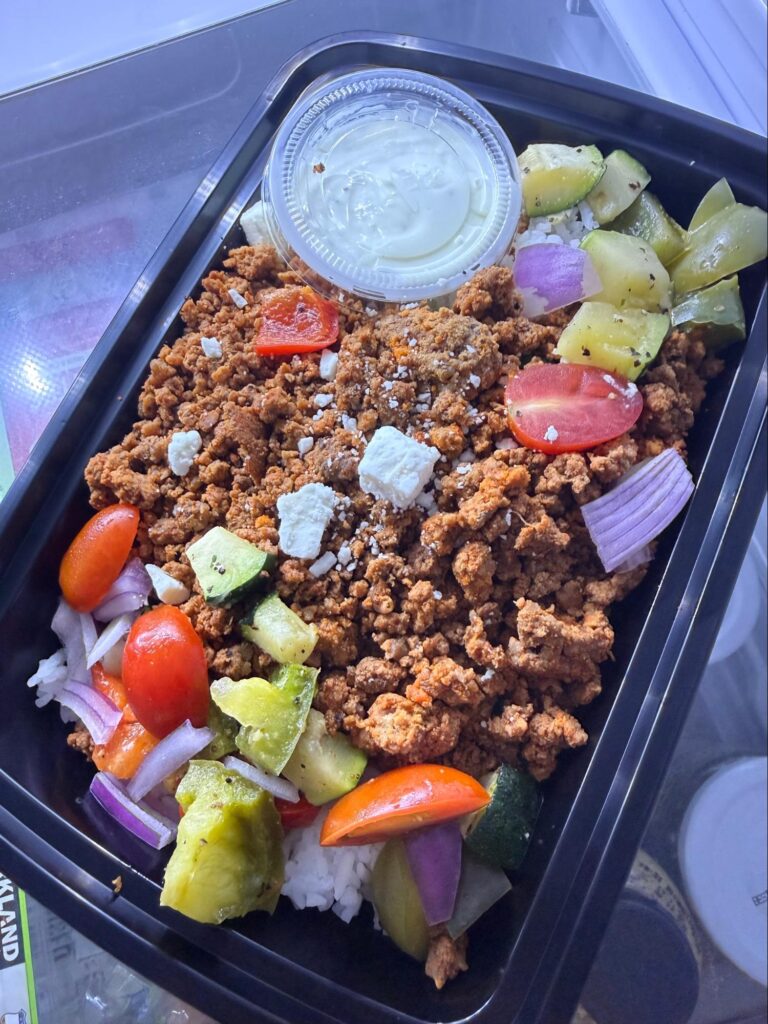
This is exactly why we partnered with My Vision Nutrition to bring fresh, macro-balanced meals directly to our RMFLEX members. No more guessing if you’re hitting your protein targets. No more scrambling for healthy options when you’re busy or forget your lunch at home. Just quality food designed for people who take their training seriously.
Why Choose My Vision Nutrition Meals:
- Macros are clearly labeled so you know exactly what you’re eating – this is helpful if you are using the IIFYM approach. Macro split: 40% protein, 40% carbs, 20% fat
- Calorie range: 400-600 calories per meal
- Delivery twice per week: fresh meals delivered on sunday and wednesday
- Menu variety: 52 alternating weekly meals so you aren’t eating the same meals from week to week
- Takes the guesswork out of what to eat and shopping and prep time out of the equation
Consistency with nutrition is one of the biggest game-changers you can make. When your meals are dialed in, everything else gets easier: recovery improves, energy stabilizes, and you actually see the results from your training. Check out the My Vision Nutrition options at the front desk each week!
Read More About Our Partnership: My Vision Nutrition Now Serving Meals at RMFLEX

5. Wearables: Use Data To Train Smarter
Wearables like Oura Ring and WHOOP give you a clearer picture of how your body is actually responding to training, stress, alcohol, sleep and other lifestyle factors, not just how hard you worked in the gym. Recent research shows these devices are highly accurate for tracking resting heart rate and heart rate variability during sleep when used consistently over time, making them useful tools for guiding recovery and long-term progress. When you pair this data with your training plan, you can adjust intensity, volume, and rest before fatigue or burnout sets in.
Key metrics worth paying attention to:
Heart rate variability HRV: HRV reflects the variation in time between each heartbeat. This reflects how well your nervous system is recovering. Higher values generally mean you’re ready to push, while consistently lower values suggest your body needs more recovery before training hard again.
Sleep quality and stages: Deep sleep supports muscle repair and physical recovery, while REM sleep supports learning, coordination, and focus, all of which matter for strength, technique, and consistency.
Resting heart rate: A lower resting heart rate often reflects improved fitness. An unexpected increase can be an early sign that stress, poor sleep, illness, or too much training is catching up to you.
Body temperature trends: Small changes can signal recovery issues from alcohol consumption, illness, or training stress for example. For women, these trends can also provide insight into cycle-related changes that affect strength, energy, and endurance.
How to use the data:
Focus on patterns over several days, not single-night readings. If HRV stays low, sleep quality drops, or resting heart rate trends upward for multiple days, it’s a sign to reduce intensity, add rest, or prioritize recovery work. Wearables should support better decisions, not create stress. Used correctly, they help you train with intention, recover more effectively, and stay consistent over the long term.


6. Compression Recovery Boots: Active Recovery Without the Effort
After a brutal leg day or high-volume training week, your muscles hold onto fluid, inflammation, and metabolic waste. Compression recovery boots use intermittent pneumatic compression to systematically squeeze your legs, pushing all that fluid back toward your heart and improving circulation.
The benefits are real, especially for reducing soreness. Compression boots have been shown to decrease muscle soreness 48 hours after exercise and improve muscle function recovery. Research on ultramarathon runners found that compression therapy provided the same recovery benefits as getting a post-exercise massage.
The most consistent finding across research? People feel significantly better after using them and reduce muscle soreness.
How to use them:
- 20-30 minute sessions work best
- Use them after intense training or on rest days
The best part? We have compression boots available for members near the front desk. Many members use them while catching up with fellow members, checking emails on their phone or just relaxing post-workout.
It’s passive recovery that actually works. You get the benefits without having to do anything except sit there and relax!

None of this replaces the basics: train hard, eat a healthy diet to support your goals, sleep well, and manage stress. But if you’re already doing those things consistently, these strategies can take your health and performance to the next level in 2026!