We’re back with more tips from our Rocky Mountain Flex trainers, and this time we’re talking about fueling your workouts, building better eating habits, and making nutrition work for your goals.
Our trainers bring years of experience working with clients, along with plenty of lessons from their own training and routines.
We asked Luke, Coach Britt, and Brandon to share practical advice on some of the challenges they see most often, including cravings, pre-workout meals, and staying consistent with nutrition.
Here’s what they had to say.
Cravings: Why do they happen, and what are some simple ways people can reduce them?
Well, first we need to understand what a craving is and how it works:
1. What is a craving?
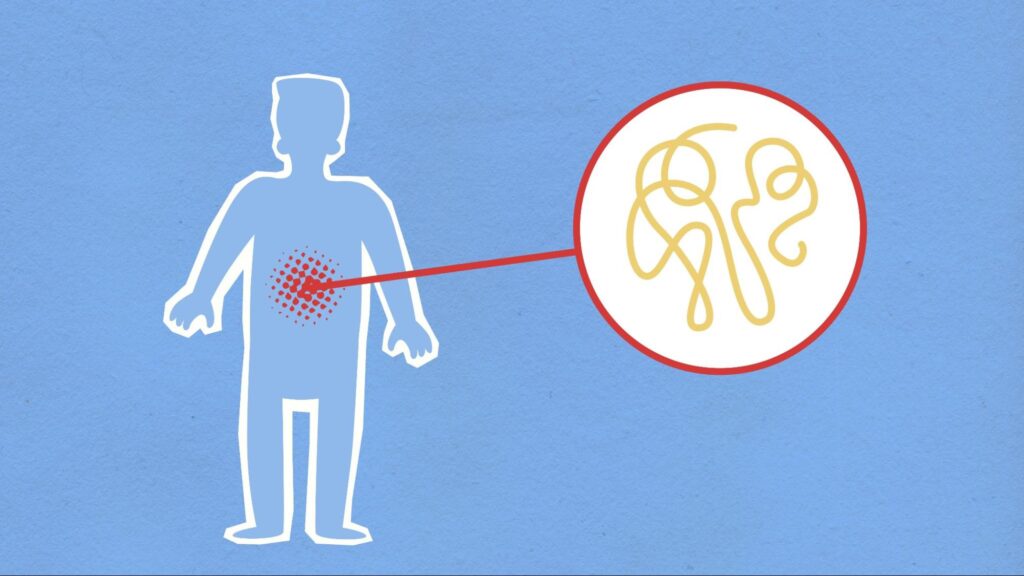
A craving isn’t the same thing as hunger. Hunger is general, any food fixes it. A craving is specific. You want that thing, and an apple isn’t going to do it. That difference matters, because it tells you the craving isn’t really about food.
A craving is usually several systems firing at once rather than one single cause.
The main drivers:
- Physiological deficit
- Real energy shortfall, not eating enough, and short sleep. This doesn’t create the craving by itself, but it just makes every driver below it hit harder.
- Real energy shortfall, not eating enough, and short sleep. This doesn’t create the craving by itself, but it just makes every driver below it hit harder.
- Reward signaling
- Fat + sugar and fat + salt light up your brain way harder than the food actually deserves. Do it enough, and your brain will crave the trigger.
- Fat + sugar and fat + salt light up your brain way harder than the food actually deserves. Do it enough, and your brain will crave the trigger.
- Conditioned/environmental cues
- Time of day, a specific room, finishing work, the drive past a particular exit, a person you always drink with.
- Time of day, a specific room, finishing work, the drive past a particular exit, a person you always drink with.
- Emotional regulation
- Stress, boredom, loneliness, anxiety. Cortisol shifts toward calorie-dense food, and the behavior gets reinforced because it works in the moment.
- Stress, boredom, loneliness, anxiety. Cortisol shifts toward calorie-dense food, and the behavior gets reinforced because it works in the moment.
- Restriction itself
- Sometimes the more you tell yourself you can’t have it, the louder it gets. Trying not to think about it is what feeds it.
- Sometimes the more you tell yourself you can’t have it, the louder it gets. Trying not to think about it is what feeds it.
- Habit automaticity
- Once a behavior is context-cued enough times, it runs without a decision point. There’s no real “craving” experience.
- Once a behavior is context-cued enough times, it runs without a decision point. There’s no real “craving” experience.
- Hormonal fluctuation
- Cycle phase, pregnancy, sleep, thyroid and insulin issues all shift hunger signals in measurable ways.
- Cycle phase, pregnancy, sleep, thyroid and insulin issues all shift hunger signals in measurable ways.
- Withdrawal
- With substances, the craving is usually about escaping how bad you feel, not chasing how good it feels.
That’s the science. But here’s what I actually see with clients:
2. What’s the biggest reason people struggle with cravings?
Overstimulation.
Not as a ninth item on that list above, but it’s the volume knob!
A walk, a conversation, a home-cooked meal- those aren’t getting worse, you just can’t feel it anymore.
Then:
- Stillness feels bad, so you reach for something. Most “I crave stuff at night” is really “I can’t sit still at night.”
- Cues stack up. Couch, 9pm, phone in one hand, food in the other.
- Eating goes on autopilot. Scroll while you eat, and you never register fullness.
- You miss that you’re under-fueled. Skip breakfast, work through lunch, don’t feel it until dark. Then it hits all at once.
3. What’s one simple habit that helps reduce cravings?
Reflecting on your habits without judgment. Call yourself out. Ask why you do that, then ask why a couple more times. If you’re not honest with yourself, you’re not going to fix your cravings.
Because usually the answer is sitting right there. Did you skip breakfast, power through lunch, and run on coffee all day? Then that 9pm craving isn’t a willpower problem, it’s everything hitting all at once. Did you sleep for four hours? Sit in front of a screen since 8am? You’ll find it if you actually look.
That’s what the reflection is for. Once you know why, the fix is usually obvious: eat protein early, drink more water than you think you need (altitude and dry air are stealing more than you realize), get real sleep, get outside and move on purpose.
4. What I wish more people knew
If you don’t know why you’re craving it, it’s not going to get better.
Most of the people I train through FlexFlow are busy professionals, and their day is that exact trap: sitting, screens, barely moving, quick hits wherever they can get them. That same lifestyle is usually what’s feeding the chronic pain they came to me for. The fix for the craving and the fix for the pain turn out to be the same fix.
Then it’s discipline. Discipline is the best form of self-love and self-respect. Love yourself enough to fight the urge and become a better version of yourself.
Sugar and alcohol are probably costing you more progress than you realize. Not because either one is evil, but because they’re easy to overdo and they give you almost nothing back.

FlexFlow Personal Training
Pssst! Looking for a way to level up your performance without a fancy supplement?
One of the easiest ways to improve training performance is simply choosing the right pre-workout meal and timing your carbohydrates around your training.
Carbohydrates are a primary fuel source during high-intensity training. Eating easily digestible carbs before your workout can help support glycogen availability, maintain energy, and support stronger, more productive training sessions.
My go-to pre-workout meal? Cream of Rice with fruit.

Why? Because it is:
- Easy to digest
- A quick source of carbohydrates
- Gentle on the stomach
- Great for fueling strength training, hypertrophy sessions, and conditioning
And it’s so easy to make. Just a few minutes on the stovetop with water. 🙂
You can also make it in the microwave by heating and stirring in short cycles, but I think it’s much better on the stove.
Takes about 4 minutes. Add cinnamon and berries, and you’re good to go!

Pro tip: Add BCAAs to this meal pre-workout, or add whey protein isolate to your Cream of Rice if you’re enjoying it as a post-workout meal, depending on your goals and for some flavor variety.
If you’re bulking or having this as breakfast, add 2 tablespoons of your favorite nut butter. Delicious! 💕
Do NOT forget to get your protein in within 30 minutes or so of your workout. Anabolic timing matters. Ask me about this! 💪🏼
Remember, nutrition isn’t just about physique goals. It’s about optimizing performance.
A properly fueled body will pay you back with better training quality, improved recovery, and measurable progress over time.
Train harder. Fuel smart. Grow stronger.

Brittfitt Coaching & Performance
Is there a nutrition mistake you see over and over?
Regarding food cravings, one of the biggest mistakes I see people make is not having a proper plan in place for when they arise.
Cravings happen for a wide variety of reasons: old habits, personal history with a certain food, emotional eating, hunger, and countless others. The real issue isn’t the craving itself; rather, it’s the response to the craving.
The first thing I recommend is to identify the trigger, whether that is a certain time of day, a certain event, etc. By taking the time to recognize what causes the craving, it can then be largely anticipated.
The next thing I recommend doing is to create a plan for how to handle the craving when it hits. This can be to eat something else that is more in line with the plan, to go for a walk, to ignore it until it passes, or any other option that fits with the overarching goal.
Having a pre-set plan in place creates a default option and removes much of the decision-making from the process.
It may sound simple, but these two steps, recognizing the cause and anticipating the craving and having a framework to deal with it, are key to handling cravings when they happen because they are guaranteed to do so.

Real World Strength Training
There’s no single approach to nutrition that works for everyone, but one thing all three trainers touched on is the value of being intentional. Pay attention to what’s driving your habits, have a plan, and make sure you’re giving your body what it needs to perform.
Have questions about nutrition, training, or how to better support your goals? Talk to one of our trainers the next time you’re at Rocky Mountain Flex. They’re always happy to help point you in the right direction.