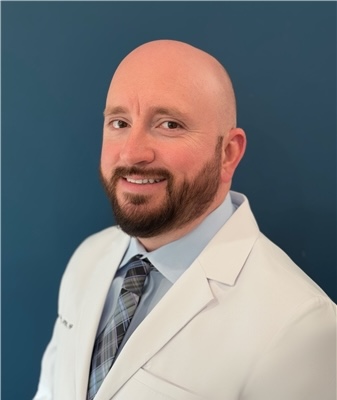
Cole Fritz doesn’t waste time with fluff. If you want someone to count your reps and tell you you’re doing great, he’s probably not your guy. But if you want a coach who’s constantly learning about how the body responds to training and nutrition to get you real results, that’s Cole.
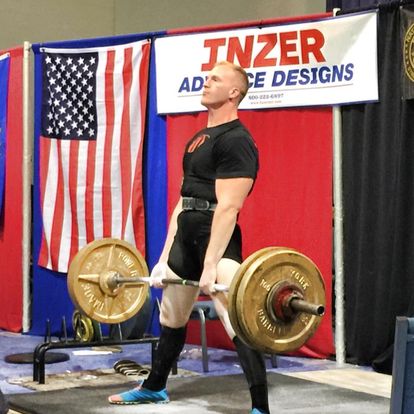
He is a Colorado native and former powerlifting and bodybuilding competitor. Cole has spent over a decade working with over 100 clients, from complete beginners to champion powerlifters holding state records.
Cole’s approach is simple: assess what your body can actually do right now, then build a program around that. No cookie-cutter routines, just what works for your specific goals.
In this spotlight, Cole breaks down common nutrition mistakes, makes his case for the Smith machine, and explains why motivation alone is overrated.
1. What is the most common nutrition mistake people make when trying to get in shape, and how can they correct it?
Not eating enough carbs and protein. Carbs are needed for growth and recovery, and protein builds muscle and keeps you full. I see too many people cut these too much before they should. Now, if you’re overweight, that can be adjusted, but typically I wouldn’t recommend going under 120g, though 150g is too low in my opinion as well (yes, you ladies need to eat more!). I typically like to keep carbs around the workouts – before, during, and after.
2. What’s your top exercise for building strength in a specific body part, and why is it so effective?
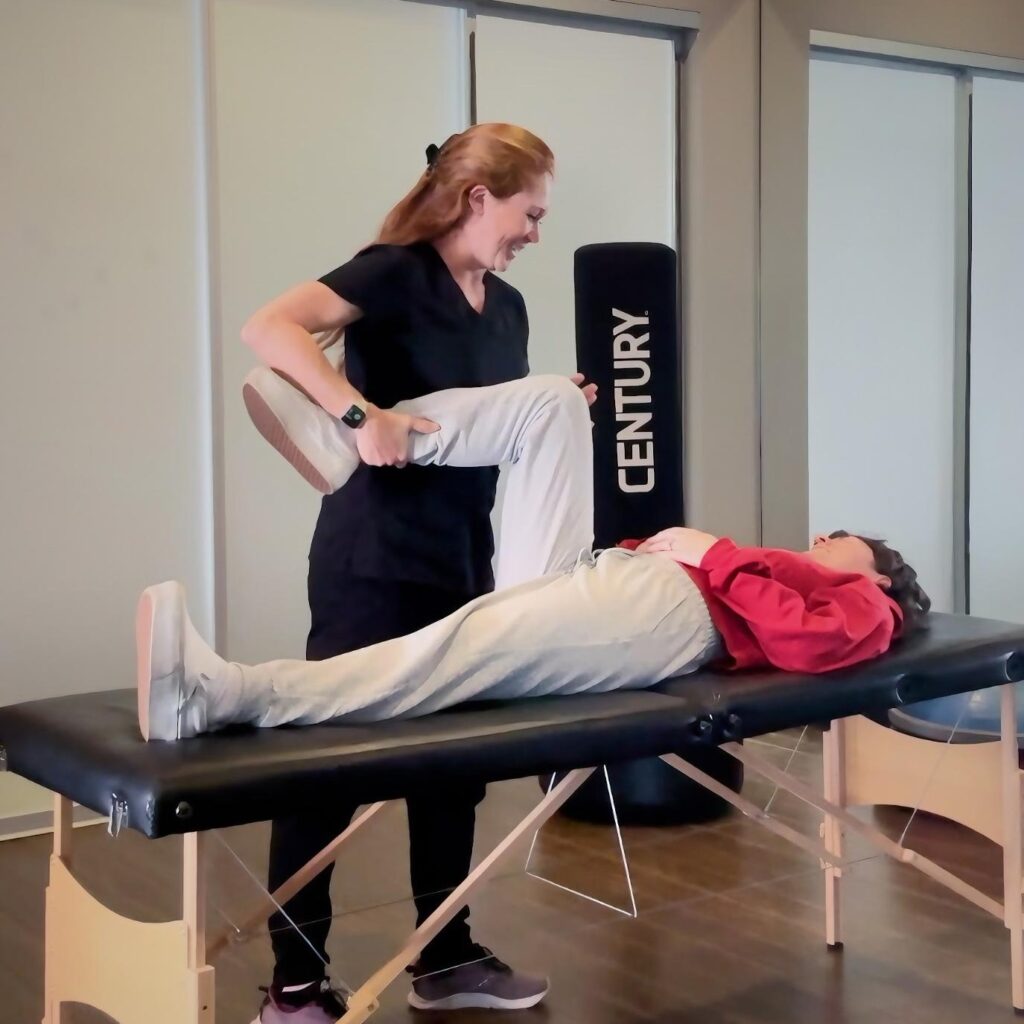
It is whatever the person can have, own, and tolerate based on the prerequisite of what their body allows for the movement of the joints and muscles. So if I have someone with spinal issues, it probably isn’t best to load their spine directly, so we could adjust with a belt squat for our loading pattern for the day and still get a squat-type movement without issue. If it’s someone with a bad knee, I would probably release the muscles behind the knee, roll out the sides, and warm up the calf, then teach them how to properly squat so they can lessen or take away that pain altogether. Or I could be wrong, and they need to lift barefoot because they haven’t learned how to align the joints up properly – that could be causing the pain in the first place.
3. What is the biggest misconception people have about personal training, and what should they know instead?
Most people see personal training as counting reps and giving exercises, whereas real personal training is catering the program to the person in front of me. A person who has never lifted is trained differently from a seasoned athlete. So when presented with someone new to me, we will assess what they have, own, and tolerate on a given movement and adjust things for them. This can look like doing a dumbbell variation of a movement over a barbell, but if that’s too much for them to focus on, we will use a machine. If that is also too much, then we can change the range of motion to what they can handle. This principle (H.O.T.) encompasses the training aspects and lies on a continuum of exercise that allows for everything to be customized to the client, versus just saying, “Here’s a barbell, do 10 reps.”

4. What’s the number one thing people can do to stay motivated long-term in their fitness journey?
Motivation is fleeting, but having an anchor to your why is the most important thing. Also, realize it will take more time to reach a specific goal than you think. If it took you 10 years to gain weight, it may not be as fast to get it off (it’s possible, but not guaranteed).

5. How do you incorporate wellness habits like sleep, hydration, and stress management into your training programs?
Lifestyle dictates the training. If you’re not sleeping, hydrating, eating, or recovering properly, then what you do in the gym takes more effort and, in the long run, will lead to diminished returns. So focusing on what happens in life allows us as a team to push you further in the gym, recover, and come back to do it better than before. That is what leads to progress.
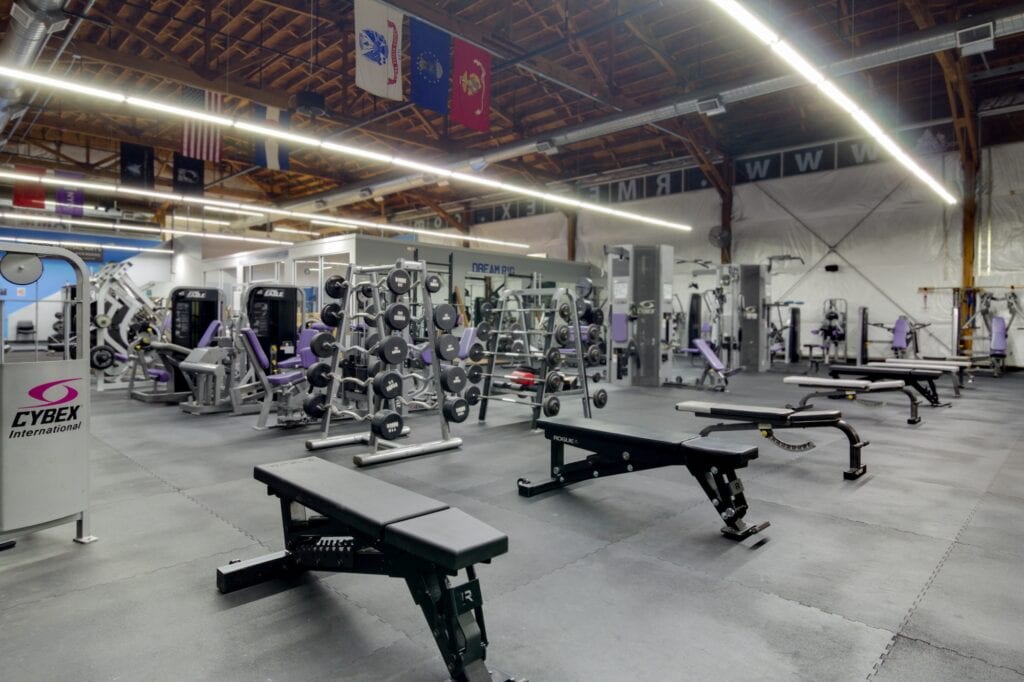
6. What's your favorite piece of equipment at RMFLEX, and why do you think it's underutilized?
The Smith machine – it’s really underutilized but you can do everything on it. You can teach proper movements without having to worry about variables. This means all you have to worry about is the setup and execution of the bar going up and down. The fewer variables in an exercise, the easier it is to repeat in the future, which means we can track progress without having to worry about all the big fancy words like proprioception, planes of movement, fatigue, etc.
When taught how to use it properly for each body part, the Smith machine can transform someone’s body more efficiently. We can also align profiles with reverse banding if necessary, so we can focus solely on letting the muscle work versus just using strength to move the bar. The overall message is using a tool at the right place and time to get a desired outcome without having to sacrifice safety. The main thing for me as a trainer is always: what is the goal for the person in front of me?
About Cole Fritz

Cole Fritz is a Colorado native and results-driven coach with over a decade of experience in body transformation, powerlifting, and bodybuilding. A former competitor himself, Cole has transformed over 100 clients and worked alongside some of the world’s top professionals in strength and hypertrophy training. His client roster includes champion powerlifters holding state records, amateur bodybuilders competing at the state level, the World’s Strongest Firefighter who competed at the Arnold Classic, and a national transformation contest winner who lost 30 lbs in 8 weeks and a total of 130 lbs in one year (featured on local news). Cole has also published several articles on fitness and training, including pieces on Livestrong.com.
Cole’s coaching philosophy is straightforward: learn everything possible about how the body responds to exercise and nutrition, then apply that knowledge to get real results. He specializes in individualized programming that teaches proper movement patterns tailored to each person’s unique mechanics, combined with evidence-based nutrition strategies that actually work. When he’s not in the gym, you’ll find Cole diving into podcasts, playing guitar, or constantly learning about training and business development – his downtime pretty much revolves around the gym and personal growth. Whether you’re looking to compete or simply become the strongest version of yourself, Cole brings championship-level expertise to help you achieve sustainable results.